I would like to welcome my first guest blogger, Dan Gilbert of Primrose Schools. Please enjoy his article about celebrating diversity:
Celebrating Diversity with Your Children
“We live in a diverse world. By teaching children to appreciate other cultures from an early age, you will help them develop compassion and seek out shared values,” said Dr. Mary Zurn, vice president of education for Primrose Schools. When considering the concept of diversity and all of the nuances and complexities that come with it, it may seem difficult to impart the lessons of tolerance and acceptance to your children. However, Primrose Schools suggests that by instead focusing on the unique cultural and historical differences between races, you can make teaching preschool children and older children about diversity a fun and loose exercise.
A child’s idea of the world is very minute and grounded, and they primarily think of normal people as those they see on a regular day-to-day basis. These people include their family, school, and those around their neighborhood. An interesting way to teach children about the wonderful diversity of the world is to explain different cultures to them through irregular means. Global music is one good example, as is sports and even the multitude of wildlife around them. This will not only foster a grounded cultural understanding, but they will be intrigued and willing to learn more about their global community.
Teaching children about cultural diversity is one of the most important lessons you can impart to them. It not only helps your children build character, but they will learn to appreciate differences in culture (including your own). In addition to this, a well-rounded education in diversity will help children grow to be a compassionate, accepting adult, who respects and values the differences in other people.
If you are still looking for tips on explaining diversity to young children, use one or all of these following suggestions. These suggestions will help you celebrate diverse cultures in the classroom or at home:
Explain and Share Your Family History
To understand others, one must first understand themselves. An interesting quote that helps drive this point home is "Those who cannot remember the past are condemned to fulfill it," by the late Spanish-American philosopher George Santayana. Explain pictures of individual members of your family to children and talk about their rich cultural heritages. Keep in mind that Children are often intrigued by stories, so share a small tidbit of information about each person so that it will stick more fervently in their budding minds.
Listen to Cultural Music
Another unique way of sharing your family's cultural history is by playing music from your culture. By either playing music from your family's country of origin, region of the United States, or music you sang yourself as a child, you impart to them the wisdom of a time long ago. This will not only bring a historical relevance to your relationship, but make a child eager to learn more. Once this exercise is finished, follow up by asking your child to point out the differences and similarities between different types of music.
Read Books
It's safe to say that reading to your child is one of the best ways to stimulate their minds and get them interested in the world around them. The rich characters and storylines can lead to very in depth discussions on culture and race as a whole. Some suggestions:
• Todd Parr: It's Okay to Be Different
• Shane Derolf: The Crayon Box That Talked
Make Up Your Own Suggestions
Continue searching for various opportunities for your child to meet and interact with children from different ethnic backgrounds. These real life interactions will stick with your child for the rest of their lives, and will mark an important starting point for their cultural journey.
Tip: These suggestions can easily be applied to classroom exercises as well if you are a teacher. Your students can bring in pictures or tell stories they know about their family history. All of the other suggestions can be done as a class. This would be a good way for children to interact amongst a diverse group.

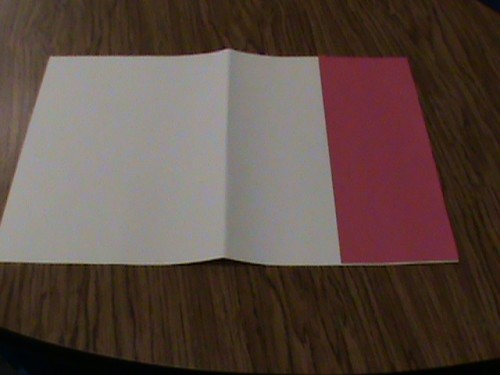
 2. Fold the blue paper in half on the horizontal line of symmetry AND on the vertical line of symmetry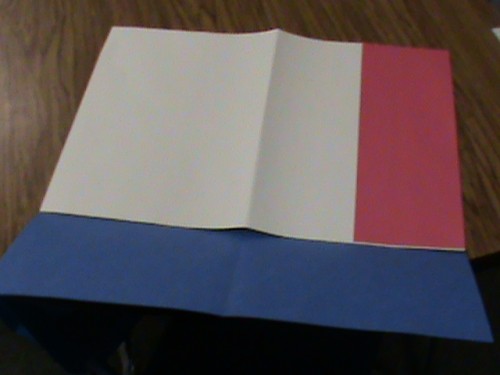
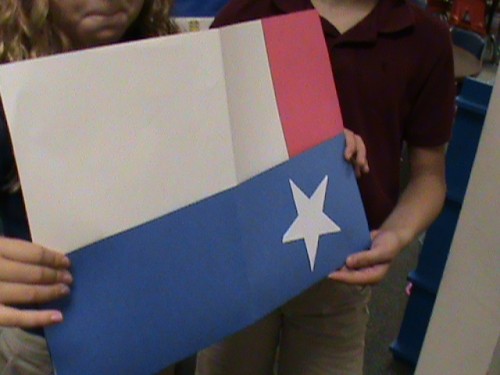 4. Fold in half like a folder and glue star onto blue field.
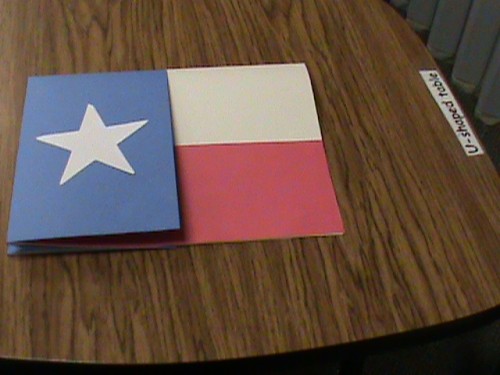 5. Staple blue edges together to make a 4 pocket flag folder! (staples not pictured)
 This student is doing a great job following along with his finger.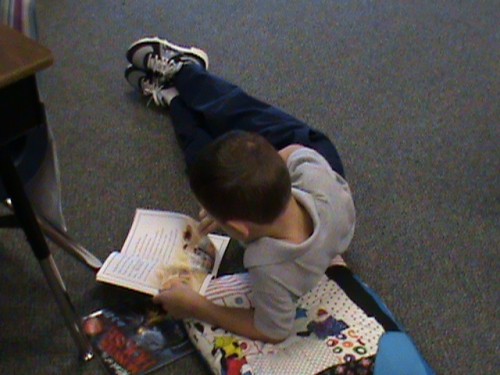

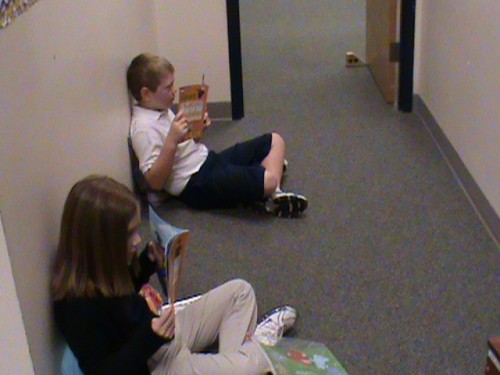 Choosing the right spot helps make Read to Self more successful!


